Concrete Driveway Replacement in Cleveland and Northeast Ohio
Replacing a worn-out concrete driveway in the Cleveland area typically means paying for tear-out at roughly $1 to $2 per square foot on top of a new pour that published guides put at about $6 to $12 per square foot. LocalConcreteDriveway connects you, for free, with independent local contractors who can look at your driveway, tell you whether it truly needs replacing, and quote the work.
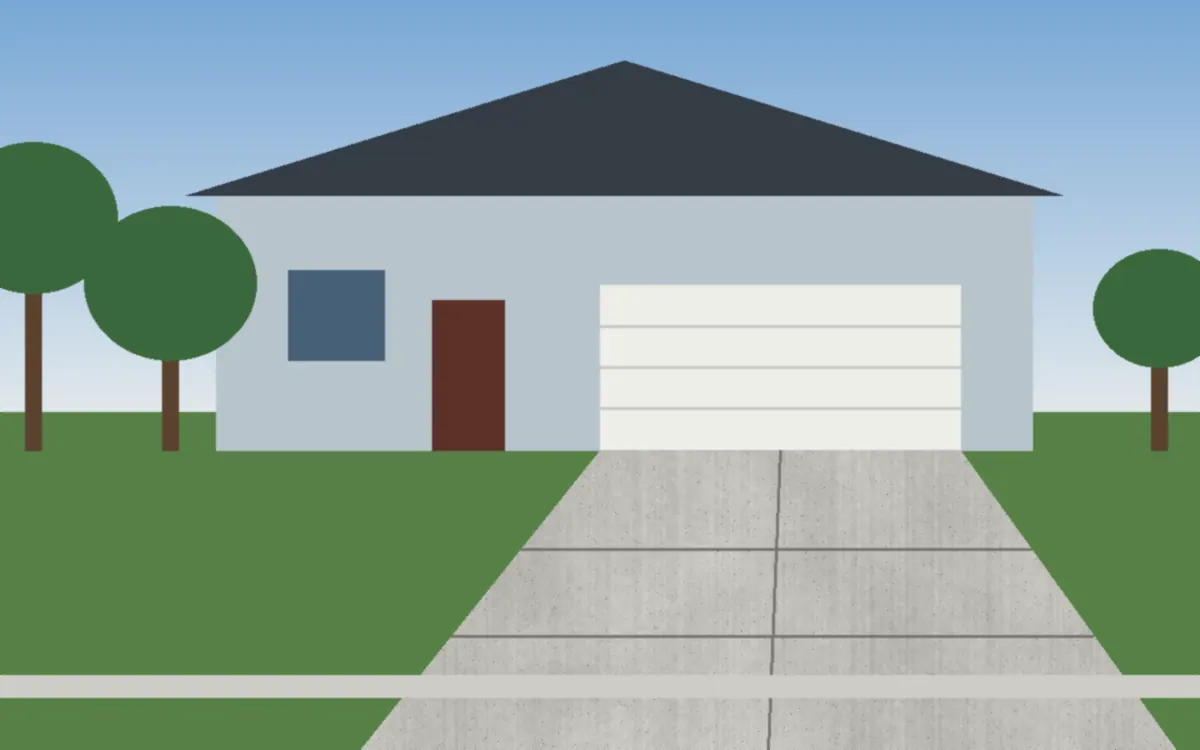
Should I replace or repair my cracked driveway?
Not every ugly driveway needs to come out. Hairline shrinkage cracks, a few sunken slabs or light surface wear can often be handled with crack sealing, leveling or resurfacing for far less money than a full replacement.
Replacement starts to make sense when the problems are structural or widespread. If slabs are broken into many pieces, heaved out of line, badly sunken across large areas, or flaking down to the stone, patching usually buys only a season or two before the same failures return.
Age matters as well. A driveway poured decades ago on a thin or poorly compacted base may simply be at the end of its service life, and putting repair money into it can mean paying twice. A contractor can tell you honestly which side of that line your slab is on.
- Wide cracks that keep growing or have vertical offsets
- Large sections sunken or tilted toward the house
- Heaved slabs that create trip edges or catch plows
- Scaling or spalling across most of the surface
- Crumbling edges and a broken apron at the street
| Item | Typical range |
|---|---|
| Remove existing concreteHomeBlue $1.20-$1.90; Concrete Network about $1; disposal may be extra | $1-$2 / sq ft |
| New plain broom-finish slabCleveland area, unreinforced (HomeBlue) | $6-$11 / sq ft |
| New slab with reinforcementCleveland area, rebar or mesh (HomeBlue) | $7-$12 / sq ft |
| 24 x 30 ft new slab onlyUnreinforced, before tear-out; $4,900-$8,400 reinforced | $4,200-$7,700 |
| Heated snow-melt system add-onConcrete Network, plus operating costs | $10-$15 / sq ft |
Typical ranges from published cost guides. Contractor quotes vary with your site.
How much does concrete driveway replacement cost in Cleveland?
Replacement cost is the price of removing the old slab plus the price of a new one. HomeBlue lists Cleveland-area tear-out at about $1.20 to $1.90 per square foot, and Concrete Network puts it near $1, so plan on roughly $1 to $2 per square foot plus possible disposal fees.
The new pour follows the same ranges as any new driveway: about $6 to $11 per square foot unreinforced or $7 to $12 reinforced in HomeBlue's Cleveland figures. For a 24 by 30 foot two-car driveway, the new slab alone runs about $4,200 to $7,700 unreinforced before removal is added.
Treat these as reference ranges from published guides rather than quotes. Base repairs, a thicker apron, a city-required permit, tight access in a narrow side drive, or a long haul to the disposal site can all change the final number.
Why do old driveways fail in Northeast Ohio?
Many homes in Cuyahoga County and the inner-ring suburbs were built when driveways were poured thin and placed on little more than native soil. Decades of freeze-thaw cycles, road salt tracked in from the street, and clay that swells when wet slowly break that kind of slab apart.
Settling is the other common culprit. When the base under a slab washes out or was never compacted well, sections sink, water pools, and the next winter's ice makes it worse. Tree roots from mature street trees can also lift and crack slabs in older neighborhoods.
Surface damage shows up as scaling and spalling, where the top layer flakes away. That is often tied to salt use combined with freeze-thaw, or a finish that was overworked when the concrete was placed.

What happens during a driveway tear-out and replacement?
The crew breaks up the old concrete with a skid steer, breaker or jackhammer, loads it out and hauls it away for disposal or recycling. Once the slab is gone they can see the condition of the base underneath, which often explains why the old driveway failed.
From there the job looks like a new install. Soft or contaminated soil is dug out, crushed stone such as 304 limestone is placed and compacted, forms are set, reinforcement goes in if specified, and air-entrained concrete is poured, finished and jointed.
Most replacements take a few days of site work plus curing time before you can drive on the new slab. Cars are usually fine after about a week, but your contractor will tell you when it is safe for your vehicles.
- Break up and haul away the old slab
- Inspect and correct the base and drainage
- Set forms and any rebar, mesh or fiber
- Pour, finish and cut control joints
- Cure, then return the driveway to service
Can I upgrade the driveway while it is being replaced?
Replacement is the cheapest time to make changes, because the old surface is already gone. Many homeowners widen the drive at the garage, add a parking pad, fix the slope so water stops running toward the house, or move to a thicker slab for a heavier truck.
It is also a natural point to consider a decorative finish such as stamping, exposed aggregate or color. Those options cost more per square foot than plain broom-finish concrete, so ask the contractor to price both so you can see the difference.
If you have ever wanted a heated driveway, this is the moment, since snow-melt tubing or cable has to be installed before the concrete goes down. Concrete Network puts those systems at about $10 to $15 per square foot extra, plus operating costs.
Do I need a permit to replace my driveway?
Many Northeast Ohio cities require a permit when the driveway apron or any part of the public right-of-way is replaced, and many require the contractor to be registered with the city. Some also have rules about driveway width and curb cuts that matter if you are changing the layout.
Requirements differ from one city or village to the next, so check with your local building department before work begins. Ask each contractor whether pulling the permit is included in the quote.
Replacements on corner lots, shared drives or homes with a public sidewalk crossing the driveway deserve extra attention. The sidewalk section and apron often belong to the city's right-of-way even though you maintain them, so the city may have a say in their thickness, slope and finish. Sorting that out before demolition keeps the job from stalling halfway through.
Getting replacement quotes through LocalConcreteDriveway
Tell us about your driveway on the quote form, including its rough size and what is wrong with it. We send that request to independent concrete contractors who serve your area, and they contact you to set up a visit and quote.
We are paid by the contractors who receive requests, never by homeowners. You are not obligated to hire anyone, and where more than one contractor covers your area you can compare quotes. Each pro you talk to sets its own price, timeline and warranty.
Read before you get quotes
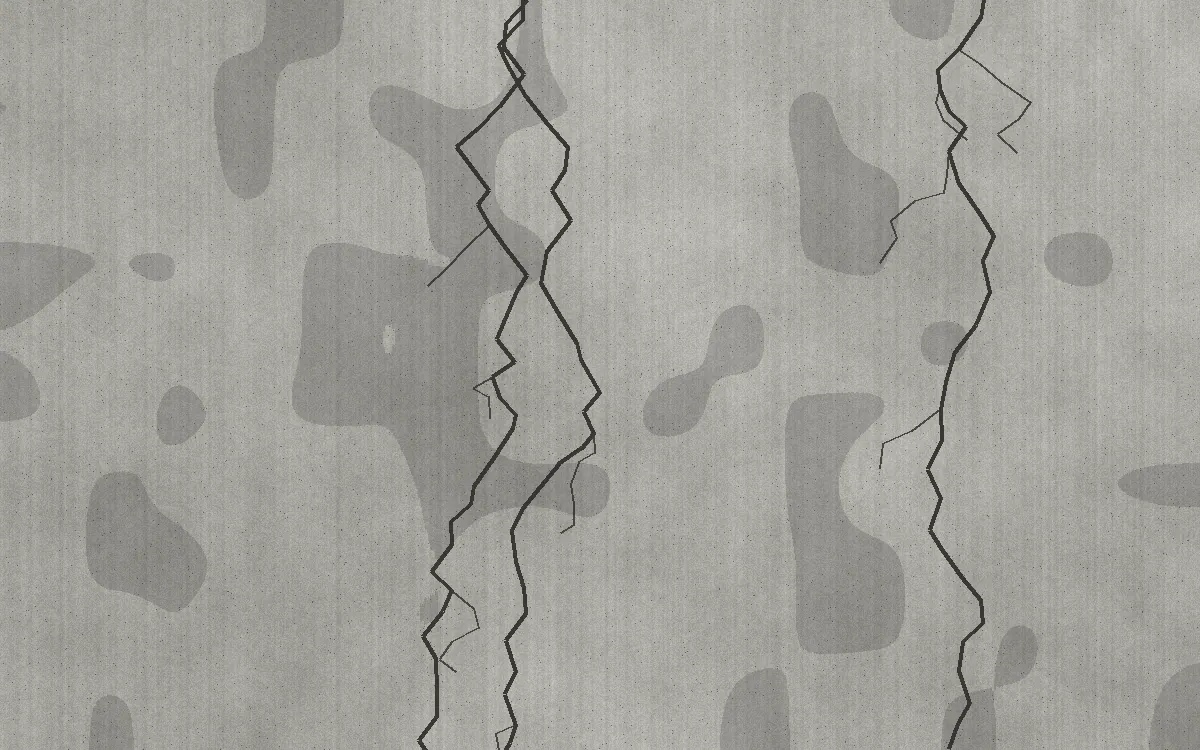
Driveway Replacement Cost in Cleveland and Northeast Ohio
Driveway replacement cost in Northeast Ohio: tear-out plus new pour ranges from published guides, apron and permit notes, and when repair is the cheaper fix.
Read
How Long Does a Concrete Driveway Last?
How many years a concrete driveway lasts in Northeast Ohio, what shortens or extends its life, and signs it is time to repair or replace the slab.
Read
How to Choose a Concrete Driveway Contractor
Questions to ask a concrete contractor, what a written driveway quote should include, red flags to avoid, and how insurance and city registration work in Ohio.
ReadFrequently asked questions
Can new concrete be poured over my old driveway?
Pouring a full new slab over an old one is generally not a good idea because it raises the height at the garage and street and carries the old cracks and settlement upward. A thin bonded overlay or resurfacing is a different product meant for sound slabs with surface wear. If the old driveway is broken or sunken, removal is usually the better path.
How long does a driveway replacement take?
Demolition and base work often take a day or two, and the pour itself is usually done in a day. After that, plan on about a week before parking cars on the new slab. Weather and permit timing can stretch the overall schedule.
Where will I park while my driveway is replaced?
Most homeowners park on the street or at a neighbor's for about a week. Check whether your city has overnight street parking restrictions. Ask the contractor for the expected start date and the earliest day you can drive on the slab.
Is it cheaper to replace only part of my driveway?
Replacing a few failed sections can cost less than the whole driveway, and it is common when the damage is limited to the apron or one area. The new and old concrete will not match in color right away. If most of the slab is failing, piecemeal work often ends up costing more over time.
What happens to the old concrete?
The contractor typically hauls it to a disposal site or a concrete recycler, where it may be crushed into aggregate. Disposal fees are sometimes listed separately on the quote. Ask whether hauling and disposal are included.
Will my new driveway crack?
Almost all concrete develops some cracks, which is why control joints are cut to guide where they form. A compacted base, air-entrained mix, proper joint spacing and good curing keep cracks small and tight. Reinforcement can help hold them together but does not eliminate them.
Does LocalConcreteDriveway do the replacement work?
No. We are a free matching service that connects homeowners with independent local concrete contractors. The contractor you choose does the work and sets its own pricing, warranty and terms.
When should I schedule a driveway replacement?
Most replacements in Northeast Ohio are poured between about April and November. Calendars fill quickly in spring, so requesting quotes in late winter helps you get a preferred date. Fall pours also work well before freezing nights set in.
Ready to price your driveway?
One short form. Local contractors who serve your town follow up to see the job and quote. Free, no obligation.