Concrete Driveway Contractors in Olmsted Falls, OH
Olmsted Falls mixes a historic village core with newer subdivisions, so a driveway project here can mean anything from rebuilding an old drive beside a century-old house to pouring a wide slab on a recent build. LocalConcreteDriveway links Olmsted Falls homeowners with independent local contractors who quote the work. It is free to request quotes and you are never obligated to hire.
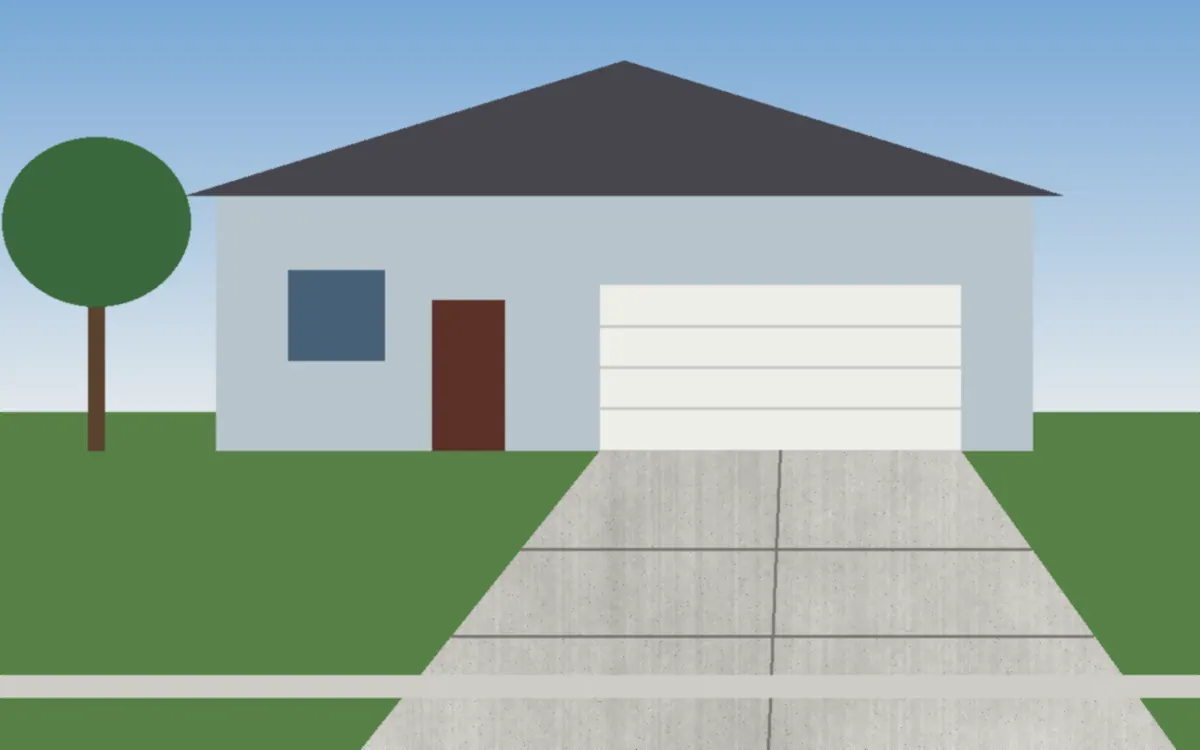
Two kinds of driveway projects in Olmsted Falls
Around the historic downtown and the Grand Pacific Junction area, older homes sit on streets laid out long before the suburbs filled in. Their drives are often narrow, sometimes gravel or old asphalt, and frequently lead to a detached garage or outbuilding.
Farther out, newer neighborhoods have attached garages with two- and three-car drives. Those owners are more likely to be dealing with a first replacement, an extension, or a builder-grade slab that has cracked or settled earlier than expected.
Both groups share the same climate and soils, but the work is different. Old-lot projects often involve removing mixed materials and rebuilding the base; newer-lot projects are more about size, joint layout and finish choices.
- Older village homes with narrow or gravel drives
- Detached garages and outbuildings on older lots
- Wide drives in newer subdivisions
- Builder-grade slabs that settled early
Can I replace a gravel or old asphalt driveway with concrete?
Yes, and it is a common upgrade on older properties. The contractor removes the existing surface, checks what is underneath, and builds a proper compacted base before pouring. On gravel drives, some of the existing stone may be usable if it is clean and well compacted.
Expect the contractor to look closely at drainage. An old gravel drive lets water soak through, while concrete sheds it, so runoff has to go somewhere. Grading, a swale along the edge or a drain near the garage may be part of the plan.
If you are converting from asphalt, published guides generally describe concrete as costing more up front and needing less maintenance over its life.
How much does a concrete driveway cost in Olmsted Falls?
Using HomeBlue's published Cleveland-area figures, a plain broom-finish drive runs about $6 to $11 per square foot unreinforced and $7 to $12 per square foot reinforced. A 24 by 30 foot two-car drive comes to roughly $4,200 to $7,700 unreinforced, and a long 24 by 60 foot drive roughly $8,400 to $15,400.
Removing old concrete adds about $1 to $2 per square foot plus disposal. On older lots, sorting out a mix of gravel, asphalt and broken concrete, or regrading to fix drainage, can add more. These are guide figures, not our prices.
Do I need a permit for a driveway in Olmsted Falls?
Ohio leaves driveway and apron permits to each city and village. Apron work at the street usually involves the local building department, and changes to a drive in or near a historic area may raise additional questions. Confirm the requirements with the Olmsted Falls building department before your project starts, and get the permit responsibility written into the contract.
Homes near the old village center may sit close to the street or share access with a neighbor, which can complicate apron and right-of-way work. Bringing those details up with the city early saves time once the contractor is ready to schedule.
Low ground, creeks and clay near the river
The West Branch of the Rocky River and Plum Creek both run through the area, and some properties sit lower or closer to the water than others. Lots near low ground can stay wet longer, which softens the base under a driveway and makes frost heave more likely.
On those sites, contractors may recommend a deeper stone base, careful grading and making sure downspouts and sump lines discharge away from the slab. Air-entrained concrete, regular control joints and proper curing are the other basics that protect a drive from freeze-thaw damage.
For a newer drive that has sunk in one area but is otherwise intact, leveling with mudjacking or polyjacking is worth asking about before tearing it out.
- Deeper base on wet or soft ground
- Grading that moves water off the slab
- Downspout and sump outlets away from the drive
- Leveling for sound slabs that have dropped
Requesting quotes in Olmsted Falls
Describe the drive you have and the one you want, and we pass your request to independent concrete contractors serving Olmsted Falls. They contact you to arrange a visit and provide their own pricing, schedule and warranty. We never pour concrete ourselves, and contractors, not homeowners, are the ones who pay us.
Let us know whether your home is in the older part of town or a newer neighborhood, what the drive is made of now, and whether water tends to sit on or near it. Those details point contractors toward the right questions before they ever arrive.
Frequently asked questions
Will concrete look out of place next to an older Olmsted Falls home?
Not necessarily. A broom finish with a simple border, exposed aggregate or a subtle tint can suit an older house. Talk with contractors about finishes that fit the style of your home.
My newer driveway already has cracks. Is that normal?
Some hairline cracking is normal in concrete, especially if it forms along joints. Wide cracks, sunken areas or slabs that are offset suggest base or drainage problems that a contractor should look at.
Can I add a pad in front of a detached garage?
Yes. A contractor can pour a garage approach or parking pad and tie it to the drive. Check with the city about any lot coverage or setback rules first.
Is mudjacking or polyjacking better for my driveway?
Polyjacking uses lighter foam and smaller holes and cures quickly, while mudjacking uses a cement slurry. Which is better depends on the slab and the cause of settling, so ask contractors to explain their recommendation.
How long should a concrete driveway last?
A well-built concrete drive often lasts 25 to 40 years or more. Base quality, drainage, deicer use and sealing all affect how long yours lasts.
Can driveway work be done in late fall?
Many contractors pour into November, and cold-weather pours are possible with precautions like heated water and insulating blankets. Most residential driveways are still done between spring and fall.
What should I do the first winter after a new pour?
Use sand for traction and do not apply any deicer. Shovel or plow carefully, and plan to apply a penetrating sealer once the contractor says the slab is ready.
Does LocalConcreteDriveway charge a fee to homeowners?
No. Requesting quotes is free, and you are not required to hire anyone. Our income comes from the contractors who receive project requests.
Ready to price your driveway?
One short form. Local contractors who serve your town follow up to see the job and quote. Free, no obligation.