Stamped Concrete vs Pavers: Choosing a Decorative Driveway in Northeast Ohio
Stamped concrete gives you the look of stone, brick or slate in one continuous slab, while pavers are individual units set on a sand and stone base that can be lifted and reset. Both can make a handsome driveway in Northeast Ohio, and the right pick comes down to how you weigh appearance, repairs, maintenance and the way each one handles freeze-thaw and road salt.
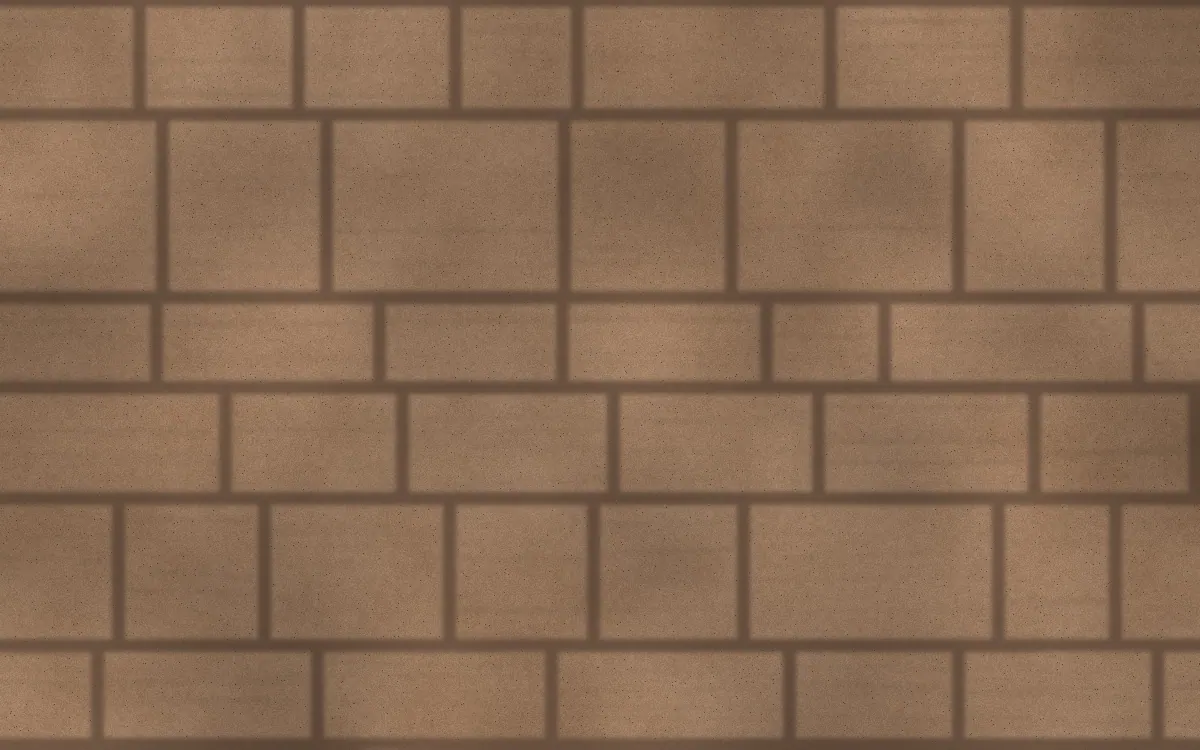
What is the difference between stamped concrete and pavers?
Stamped concrete is poured like any driveway, then pressed with textured mats while it is still workable and colored with integral color, a release agent or stain. The pattern is cosmetic; underneath it is a single slab with control joints.
Pavers are separate pieces, usually manufactured concrete units or clay brick, laid over a compacted aggregate base and a bedding layer, then locked in with edge restraints and joint sand. The joints between them let the surface flex slightly as the ground moves.
That basic difference drives most of the trade-offs. One is a rigid surface that can crack, and the other is a flexible system that can shift.
| Stamped concrete | Pavers | |
|---|---|---|
| Construction | One continuous slab with control joints | Individual units on compacted base and sand bedding |
| Typical cost | About $8 to $15 per sq ft, often $14 to $21 for multi-color work per published guides | Varies widely by product and labor; compare written quotes |
| Freeze-thaw and frost heave | Rigid; relies on air entrainment, base and joints | Flexible joints let units move without cracking |
| Salt exposure | Can scale if unsealed; pattern shows flaking | Units generally tolerate salt; joints need upkeep |
| Repairs | Hard to match color and pattern | Units can be lifted and reset |
| Routine upkeep | Reseal every 2 to 5 years | Refill joint sand, control weeds |
| Look | Smooth, continuous pattern and borders | Real joints and individual stone texture |
How much does a stamped concrete driveway cost?
Published guides put stamped concrete at about $8 to $15 per square foot, and Concrete Network places multi-color, multi-pattern work in its $14 to $21 mid-range tier. In most real-world quotes, a stamped driveway lands roughly in the $12 to $20 per square foot range once borders, multiple colors and sealing are included.
Pavers vary widely by product, from basic concrete units to premium clay brick or tumbled styles, and installation labor for the base and edging is significant. Rather than lean on a single number, compare written quotes for both options on your actual driveway.
Site conditions change the math for either surface. Tear-out of an old driveway, soft clay that needs extra base, slopes and tight access can all raise a quote, and none of these figures are our prices.
Which one holds up better to Ohio winters?
Pavers have a structural edge with frost heave, because individual units can move and settle back without a crack running across the driveway. If a section heaves or sinks, it can be pulled up, the base corrected and the same pavers relaid.
Stamped concrete depends heavily on good practice: air-entrained concrete, a solid crushed-stone base, sensible joint spacing and a sealer. Without those, salt and freeze-thaw cycles can cause the surface to scale, and the pattern makes flaking more noticeable than it would be on a broom finish.
Pavers are not trouble-free either. Joint sand can wash out, weeds and ants can move in, and individual units can settle unevenly if the base was not compacted well, which leaves trip edges and low spots where water sits and freezes.
What does upkeep look like for each surface?
A stamped driveway needs resealing on a regular schedule to protect both the color and the surface; many owners plan on every 2 to 5 years depending on the product and how much salt and traffic it sees. Decorative sealers can also turn slick when wet, so ask about an anti-slip additive.
Paver driveways need joint sand topped up periodically, especially after power washing, and many owners use polymeric sand or a sealer to stabilize joints. Weeds and moss in the joints are the most common complaint.
Expect to touch either surface every few years. The difference is the kind of work: a sealer coat over one slab, versus joint maintenance and occasional resetting of individual units.
- Stamped concrete: reseal on schedule and avoid deicers the first winter
- Stamped concrete: use a plastic plow edge or a raised blade to protect the pattern
- Pavers: refill joint sand and pull weeds before they widen gaps
- Pavers: reset sunken areas early before water undermines more of the base
Are pavers easier to repair than stamped concrete?
Usually, yes. A cracked or stained paver can be swapped out, and a sunken section can be lifted, rebuilt underneath and relaid, so repairs tend to disappear if you saved spare units from the same batch.
Repairing stamped concrete is harder to hide. Crack sealant, color-matched patching and recoloring can help, but cutting out and repouring a section rarely matches the original color and pattern exactly.
This is also why the base and joint layout matter so much on a stamped job. Ask the contractor where control joints will fall and how they plan to blend them into the pattern so future cracking stays in those lines.
How do the looks and design options compare?
Stamped concrete offers a wide range of patterns, including ashlar slate, cobblestone, running bond brick and wood plank, with contrasting borders and antiquing colors. Because it is one slab, the surface reads smooth and continuous from the garage to the street.
Pavers show real joints and real texture, which many people find more authentic. They also allow patterns like herringbone, basket weave and circle kits, plus mixed colors that blend naturally over time.
Color durability differs. Integral color in concrete runs through the slab, but surface color and release agents can fade with sun and wear, while through-color pavers tend to keep their tone, though some fade as their surface wears.
How long does installation take for each option?
A stamped concrete driveway usually moves fast once the site is ready. Tear-out, base preparation and forming come first, then the pour and stamping happen in a single day while the concrete is still workable, followed by cleaning, sealing and a curing period before you drive on it.
Stamping is time-sensitive work. The crew has a limited window to press the mats before the surface sets, which is why experienced stamping crews and the right weather matter more than they do for a plain broom finish.
Paver installation is more labor spread over more days, since each unit is placed by hand or with a clamp, cut to fit at the edges and compacted into the bedding layer. The upside is that pavers can usually take traffic as soon as the joints are filled and the surface is compacted.
Which option suits a sloped or shaded driveway?
On a steep driveway, traction and water runoff become the main concerns. A stamped surface with a heavy texture and grit in the sealer can help, and pavers offer built-in joints that add some grip.
Shaded driveways stay damp longer, which encourages moss and algae on both surfaces. Joints between pavers tend to collect more organic growth, while a sealed slab is easier to rinse clean.
Bottom line: which decorative driveway should you choose?
Stamped concrete is a strong choice if you want a continuous, custom look, prefer one rigid surface without joint sand, and are willing to keep up with sealing. It also tends to suit homeowners who like the idea of a single pour finished in a few days.
Pavers are a fair alternative if your top priorities are long-term repairability and flexibility on clay soils that move, and you do not mind joint maintenance. They are especially appealing when you want the texture of individual stones.
If you are leaning toward stamped concrete, request free quotes and ask each contractor about base depth, joint layout, color method and sealer. LocalConcreteDriveway connects homeowners with independent concrete contractors; for pavers, a hardscape installer is the right specialist to ask.
Frequently asked questions
Do stamped concrete driveways crack?
Like any concrete slab, stamped concrete can crack, and control joints are there to guide where it happens. A well-compacted base, air-entrained mix and smart joint placement go a long way toward keeping cracks tight and less visible.
Are pavers slippery in winter?
Pavers have a textured surface and joints that give some grip, though ice forms on any driveway. Stamped concrete with a glossy sealer can be slicker, so ask your contractor about adding an anti-slip grit to the sealer.
Can I use a snow blower or plow on stamped concrete?
Yes, but set the blade or scraper bar slightly high or use a rubber or poly edge to avoid scratching the sealer and pattern. Hiring a plow service that knows you have a decorative surface also helps.
Which lasts longer, stamped concrete or pavers?
Both can last for decades with a good base and steady maintenance. Pavers can often be relaid rather than replaced, while stamped concrete's lifespan depends heavily on sealing and avoiding harsh deicers.
Does stamped concrete fade?
Surface color and antiquing release can fade with sun, traffic and salt, which is one reason resealing matters. Integral color mixed into the concrete holds up better because it runs through the slab.
Can I stamp only part of my driveway?
Yes. Many homeowners use a plain broom finish for the main field and add a stamped border or apron accent, which keeps the decorative look while controlling cost.
Do pavers need a permit in my city?
Permit rules depend on the city or village, not the material, and work at the apron or in the public right-of-way is the most common trigger. Check with your local building department before any driveway project starts.
Does LocalConcreteDriveway connect me with paver installers?
We focus on concrete, so we connect homeowners with independent local concrete contractors for stamped and other concrete driveways. The service is free to homeowners and there is no obligation to hire anyone.
Ready to price your driveway?
One short form. Local contractors who serve your town follow up to see the job and quote. Free, no obligation.